Select hydraulic filter elements by micron rating, pressure, flow, media, seals and connection dimensions with this practical B2B checklist.
Introduction
Selecting a hydraulic filter element requires more than matching a part number or measuring the space inside a housing. The element must protect the hydraulic system at the required cleanliness level while allowing the necessary flow, withstanding differential pressure, and remaining compatible with the fluid, seals, and operating temperature.
A filter that is too restrictive may cause pressure loss, cavitation, or premature bypass. A filter that is too open may allow damaging particles to circulate through pumps, valves, and actuators. The right choice balances protection, flow, service life, and maintenance requirements.
This guide provides a practical selection framework for hydraulic filter elements. It is intended for maintenance engineers, equipment owners, and procurement teams who need to organize technical information before requesting a quotation or replacement review.
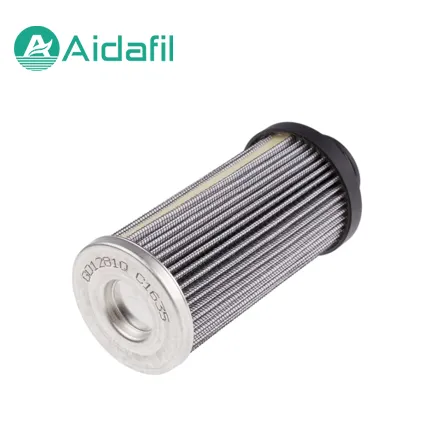
Start With the Filter Location and System Function
The first question is where the filter is installed. A pressure-line filter, return-line filter, suction strainer, offline filter, and case-drain filter see different flow conditions and pressure profiles. The same micron rating may not be suitable for every location.
Record the circuit and the component being protected. A high-pressure pump, servo valve, proportional valve, or critical actuator may require a different cleanliness target from a simple return circuit. Note whether the filter operates continuously or only during part of the machine cycle.
Also confirm the fluid type, normal operating temperature, viscosity, and whether the system uses mineral oil, biodegradable fluid, water glycol, or another medium. Seal and media compatibility must be checked against the actual fluid.
Define the Required Cleanliness Target
Hydraulic components vary in their sensitivity to contamination. The target cleanliness level should come from the equipment manufacturer's recommendation or a documented reliability requirement. Do not choose a filtration rating only because it is the finest available.
When reviewing a filter specification, distinguish between nominal and absolute ratings. A nominal rating describes a general filtration range, while an absolute rating is tied to a defined particle size and test method. If a beta ratio is provided, confirm the particle size and test standard associated with it.
A finer element can improve particle removal, but it may also increase pressure drop and reduce service life. The correct selection considers the system's contamination generation rate, acceptable pressure drop, and maintenance interval.
Confirm Flow, Pressure, and Differential Pressure
Record the normal flow rate and the maximum flow that can occur during startup, cold-oil operation, or transient conditions. The filter element must handle the required flow without excessive pressure loss.
Confirm the housing pressure rating and the element's collapse or differential-pressure capability. A pressure-line element must be able to withstand the differential pressure that can develop when the element loads. A return-line element may see different conditions but still requires a suitable bypass and collapse rating.
Do not use the system's maximum pressure as the element's differential-pressure rating. These are different values. Check the product drawing and the filter assembly requirements.
Select the Filtration Media
Hydraulic filter media are available in several constructions. Each has a place depending on the application.
Cellulose Media
Cellulose media are widely used in general hydraulic filtration. They can provide efficient particle removal and are often cost-effective for routine service. Their suitability depends on the fluid, temperature, and required service life.
Synthetic Media
Synthetic media can offer a different balance of efficiency, pressure drop, and contaminant holding capacity. They may be selected when the application requires stable performance or a longer service interval. Confirm the exact media specification with the supplier.
Stainless Steel Mesh and Sintered Media
Metal media are cleanable in some applications and can be suitable for high-temperature or chemically demanding conditions. Their filtration behavior differs from disposable pleated media, so the selection should consider pore structure, cleaning method, and acceptable particle retention.
Choose the Seal Material
The seal material must be compatible with the hydraulic fluid and operating temperature. Common seal materials include NBR, FKM, EPDM, PTFE, and silicone, but the correct choice depends on the fluid and the manufacturer's recommendation.
NBR is commonly used with mineral oil, while FKM may be selected for higher temperatures or certain fluids. EPDM can be suitable for some water-based fluids but may not be compatible with mineral oil. Do not change seal material without checking compatibility.
Record whether the element uses O-rings, molded seals, end-cap seals, or a combination. A compatible filter element must seal correctly at the housing interface, not just fit the diameter.
Confirm Dimensions and Connection Details
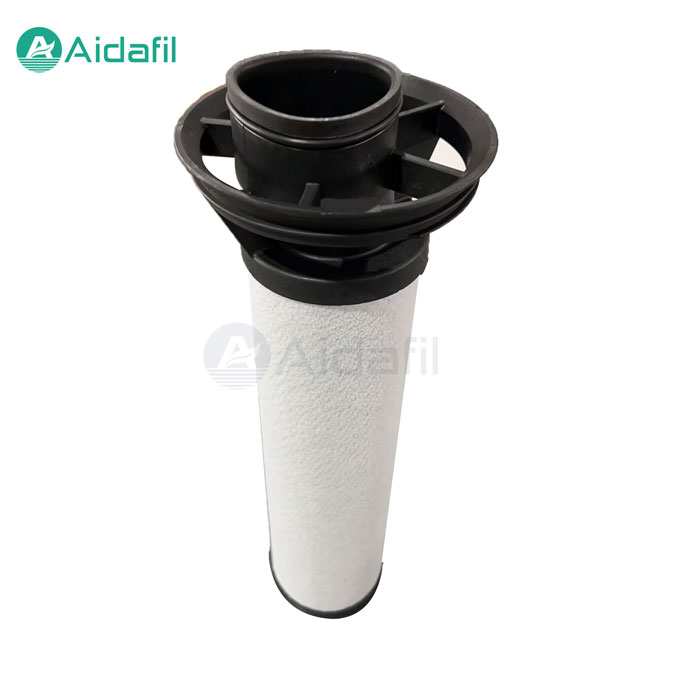
Measure or obtain the element's height, outside diameter, inside diameter, thread, and connection style. Confirm the sealing surfaces and center-tube interface. If the element is for an existing housing, compare the new specification with the housing drawing rather than a single part number.
Check for features such as locating tabs, bypass valves, anti-drain devices, and orientation. Some filters look similar but cannot be installed in the correct direction or cannot seal against the housing.
Consider Contamination and Maintenance Conditions
The operating environment affects filter life. Dust, moisture, high temperature, cold starts, and frequent pressure cycles can change the rate at which the element loads. A filter that performs well in a clean test bench may have a short service life in a foundry, mining site, or outdoor machine.
Review the maintenance interval and the available differential-pressure indicator. If the element is difficult to access, select a configuration that allows safe and practical replacement. Consider whether the system can be isolated and whether the replacement will introduce contamination.
A Practical Selection Checklist
.Identify the filter location and protected components.
.Confirm the fluid type, viscosity, and operating temperature.
.Record flow and pressure conditions, including cold starts.
.Define the required filtration rating and cleanliness target.
.Select a suitable media construction.
.Confirm seal compatibility.
.Check height, diameters, thread, and sealing interface.
.Verify collapse pressure, bypass arrangement, and differential-pressure limits.
.Review maintenance access and replacement interval.
.Confirm the final data with a supplier or equipment drawing.
Common Selection Mistakes
A frequent mistake is selecting by outer dimensions alone. Another is treating a nominal micron rating as if it were an absolute rating. Some buyers also forget that the filter element, not just the housing, must withstand the differential pressure generated during loading.
Mixing seal materials without checking fluid compatibility can cause swelling, hardening, or leakage. Using a filter with the wrong collapse rating can lead to media damage and uncontrolled bypass. Finally, comparing products only by price can hide differences in media area, efficiency, and service life.